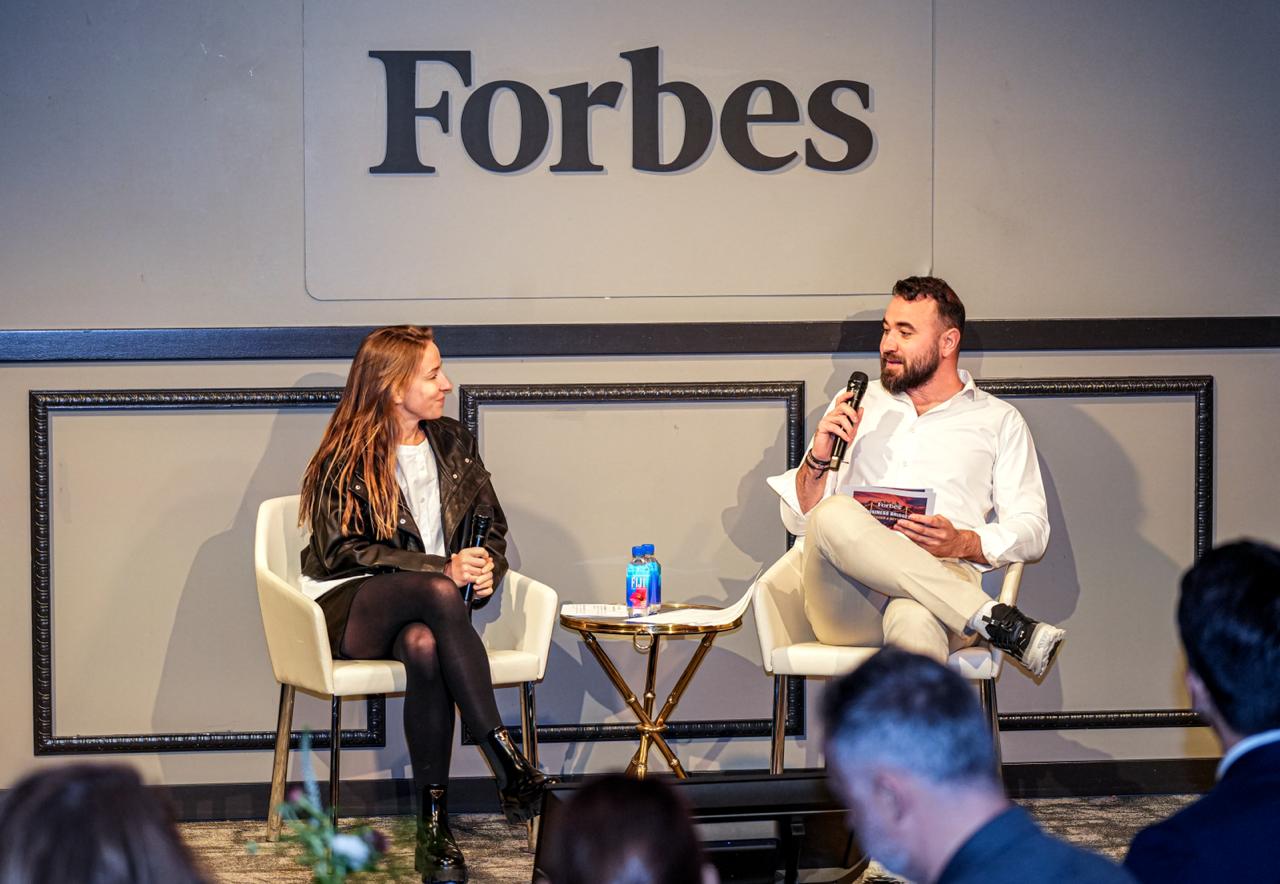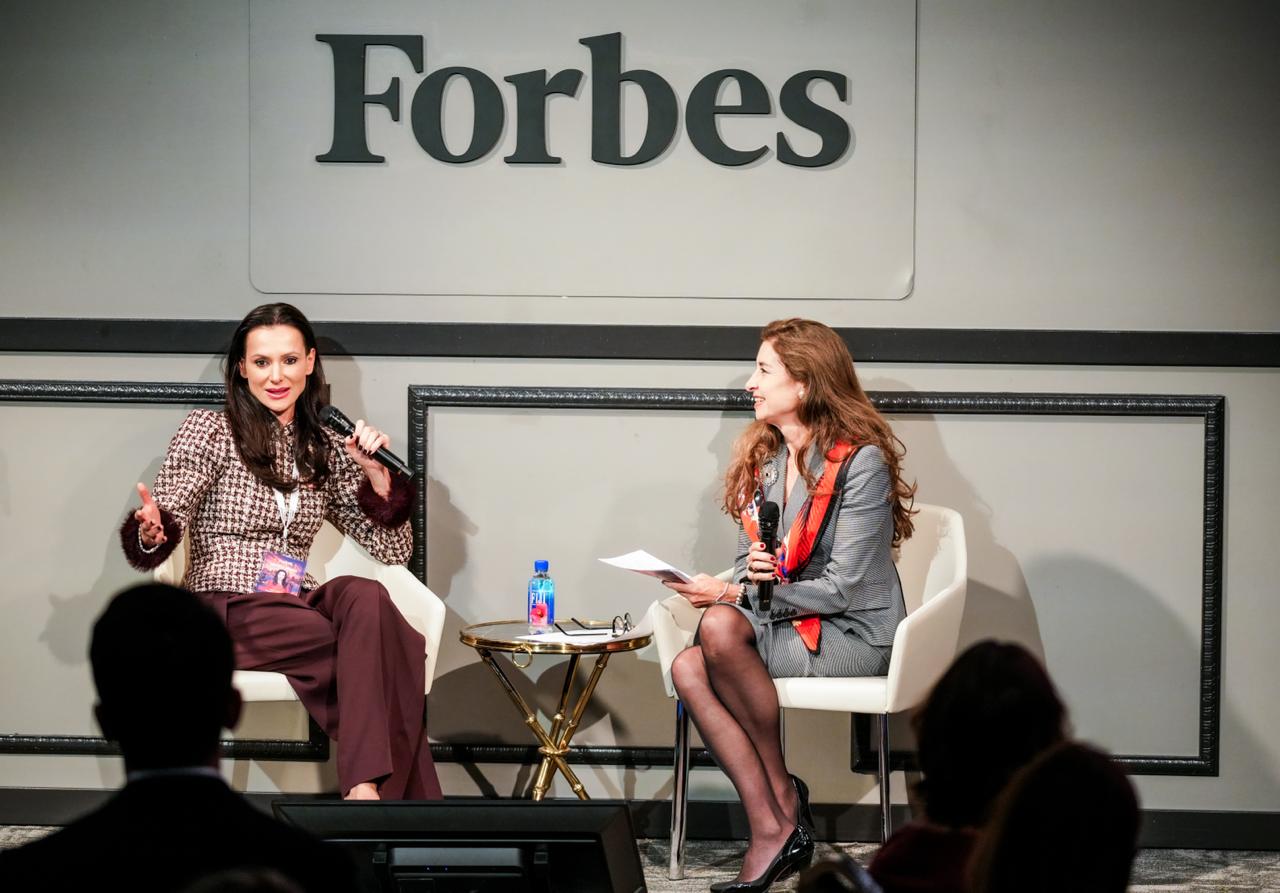
Foreign investors can handle almost any legal complexity, as long as they can anticipate it. What drives them away from Romania is unpredictability: the different ways local authorities read and apply the same law. This diagnosis came from Oana Ijdelea, Managing Partner at Ijdelea & Associates, in her dialogue with Jennifer Fondrevay, Founder of Day1 Ready, at Forbes România Business Bridges 2026, the event organized by Forbes Romania at Forbes on Fifth in New York.
“The last five, actually six years show us that any resilient investor can deal with complexity. If you know your issues well enough, you are able to plan for them, manage them and adapt to them. However, when these problems turn into unpredictability, for example in how local regulators in Romania read and apply a certain legal provision, especially in real estate, these are the issues that generate future problems in operations and in investment implementation. For a certain type of risk-averse investor, it’s simply a red flag, and it makes the investment a no-go,” Oana Ijdelea said.
The lawyer described a two-layer regulatory framework, national and European, with a local peculiarity. “From our firm’s experience, we see that the Romanian government tends to implement and actually overstep what is required by Brussels, with the good and the bad that comes from that. Usually it’s the bad, but let’s stay on the bright side of things,” she observed. On top of this come foreign direct investment screening requirements, which every investor needs to understand early on.
Jennifer Fondrevay, who specializes in the human side of mergers and acquisitions, moved the discussion from paper to people. “The biggest challenge is remembering that we are humans. With the onslaught of technology and our quest for efficiency, we have forgotten that humans are fallible and that we also have emotions. In every merger, acquisition, business transformation or even AI adoption that I have seen, humans consistently have the same emotion when it comes to change: grieving the loss of the way things used to be,” she explained.
“Humans hold on to how things were, to where they felt important and valued, and can struggle to pivot because they’re afraid of not being good enough for what the future holds. The companies and leaders who recognize that and prepare their teams for it are the ones who succeed,” Fondrevay said. The example she gave comes from Romania itself, where she worked with the UniCredit team on the changes brought by the bank’s acquisitions.
For Romanian-American deals, the consultant has two pieces of advice. The first: “Think like a tourist. Not a bad tourist, we all know what a bad tourist looks like and acts like, but a good tourist who is curious, who asks questions.” The second: invest time in the partnership. “Invest time and energy into it. That’s how you succeed, whether it’s an American-Romanian partnership or any other,” she said.
For leaders going through a deal or a major transformation, Fondrevay gave an answer she herself described as disappointingly simple. “The leaders who foster an environment for connection and collaboration are the ones who have a competitive advantage, particularly in the face of all the technology people are trying to embrace,” she said. She also had a message addressed directly to Romanians: “Romanians have a passion and a drive that is palpable. Don’t lose that. The catching up has given you that spirit, and I think it’s tremendous.”
“Leaders must set the direction and the targets, and allow their organizations the flexibility to navigate an unwalked path towards those objectives. Some days the sun is up, some days it rains. Either way, you just have to be mentally prepared that the direction is there,” Oana Ijdelea concluded.