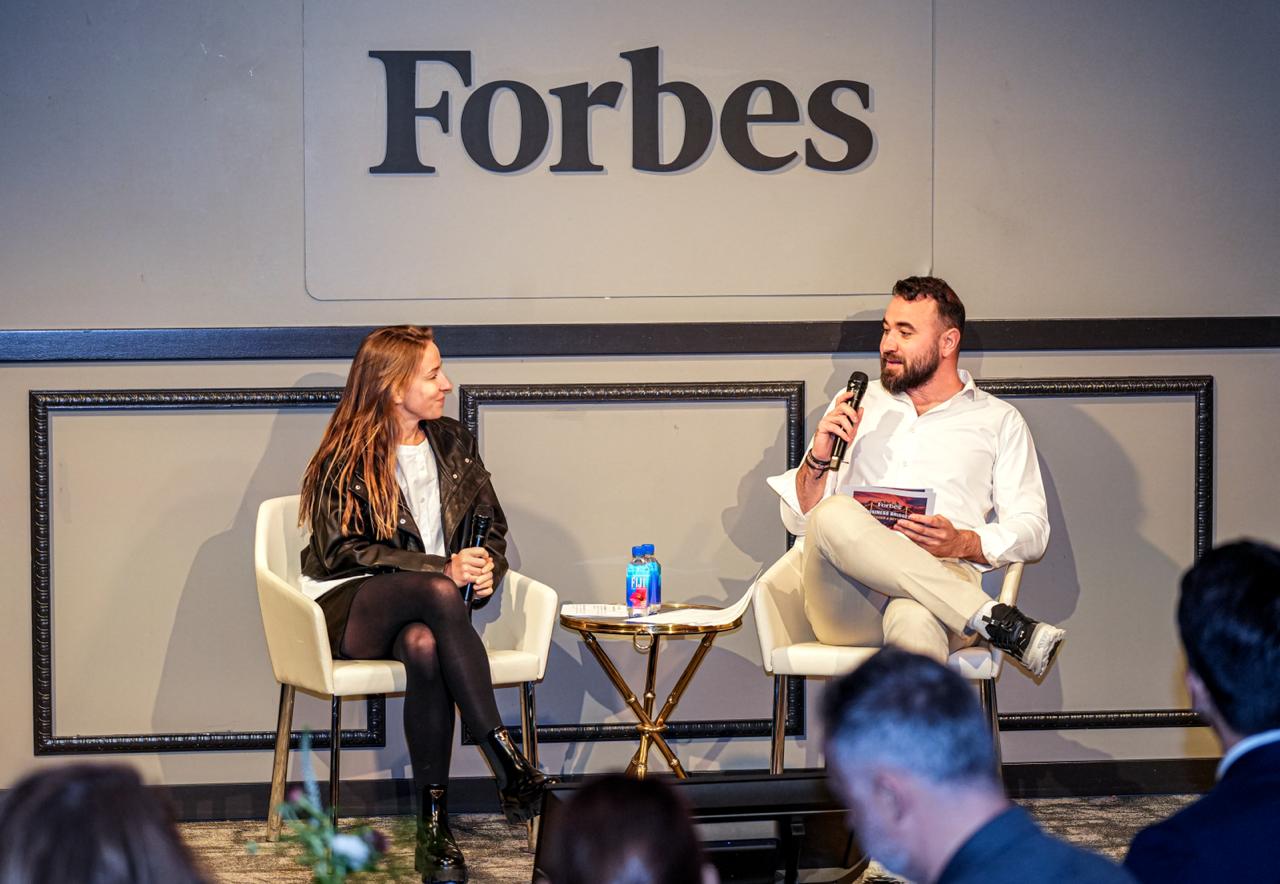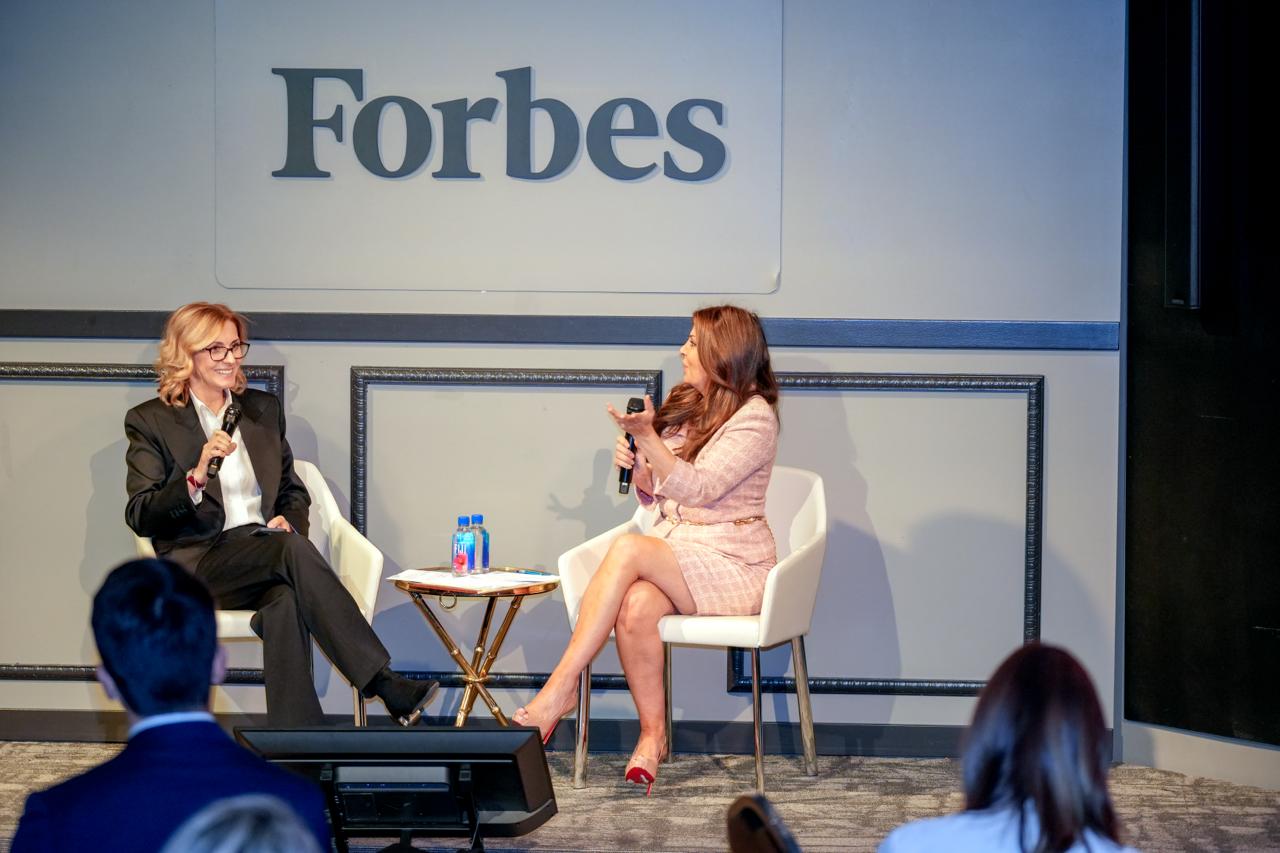
Romanian companies that want to expand into the United States need to get their legal and tax structure right before sending the first dollar across the Atlantic. Otherwise, they risk double taxation and blockages that are hard to fix. The warning came from Rebecca Rose Woodland, Founding Partner at Lonuzzi & Woodland, in her dialogue with Mihaela Lupu, CEO of UniCredit Bank Romania, at Forbes România Business Bridges 2026, the event organized by Forbes Romania at Forbes on Fifth in New York.
“I always suggest everyone come prepared. We set up structures before the money comes in, because once the money comes to America, if it’s not properly structured, there can be double taxation and many unforeseen issues,” Rebecca Rose Woodland said.
The list of obstacles the American lawyer sees is long: strict regulation in many sectors, close oversight of foreign investment on national security grounds, ownership limits in certain fields, and complex tax reporting that differs from Romania’s. The biggest issue, however, lies elsewhere. “The biggest is immigration and labor law. In the current situation, immigration is a subject the current president is extremely focused on. Bringing employees or management here can be a hurdle unless it’s handled properly,” she explained.
Intellectual property is the second sensitive point. “Make sure your patents, your contracts and your privacy policies are clear. European protection does not apply in the United States,” Woodland warned. Choosing the right legal entity also requires care: many companies incorporate in Delaware, but if they do business in another state, they must register there as a foreign company.
Mihaela Lupu, in turn, described a Romanian banking system ready to finance growth. “We have incredible resilience in terms of capital and liquidity. That puts us in a position to finance households, SMEs and large transactions. For banking in Romania, it’s a good moment, despite all the difficulties,” the CEO of UniCredit Bank Romania said.
Alongside EU funds and initiatives such as SAFE, banks are also looking to attract private capital to complement these inflows. At the same time, pressure is coming from the regulatory side, where European authorities are focused on cybersecurity and digital resilience. “Banking is built on solidity and trust, and the transformation has to happen without putting those at stake,” Lupu stressed.
As for companies looking to expand abroad, the banker said financing is no longer their main need. “Companies expect support and networking. They are not looking only for financing, they are looking for this ecosystem. The relationship goes beyond the transactional and becomes strategic support, where we partner with our clients to help them grow,” she explained. To that end, the bank runs a six-month program for founders and leaders of SMEs and tech companies, with mentors and strategic guidance.
Woodland sees politics as the main risk factor for investors. The midterm elections in November could quickly shift the balance of power in Congress, and the presidential election could bring major changes. “We didn’t expect everything we saw in this last administration to happen, but we prepared for it. It can be devastating for an investor when their money is suddenly restricted. I think that is the biggest legal trend we’re going to see in the next two to three years,” the lawyer said.
“The future will be about who adapts faster, because supply chains are changing basically every day. Banks will be better positioned if they are able to anticipate scenarios and preserve the robustness of their capital and liquidity,” Mihaela Lupu stressed. Sustainability criteria, such as energy efficiency, are already part of lending decisions.
On artificial intelligence, her message was one of caution. “We will need to do it really carefully, so that we are not compromising exactly the things that matter: trust, robustness and solidity,” the CEO of UniCredit Bank Romania concluded.