Romania has a shortage of at least 200,000 homes, and investors from Germany and Poland have already started coming in search of product. New York faces a different problem: huge demand for projects held up by financing and by the local administration.
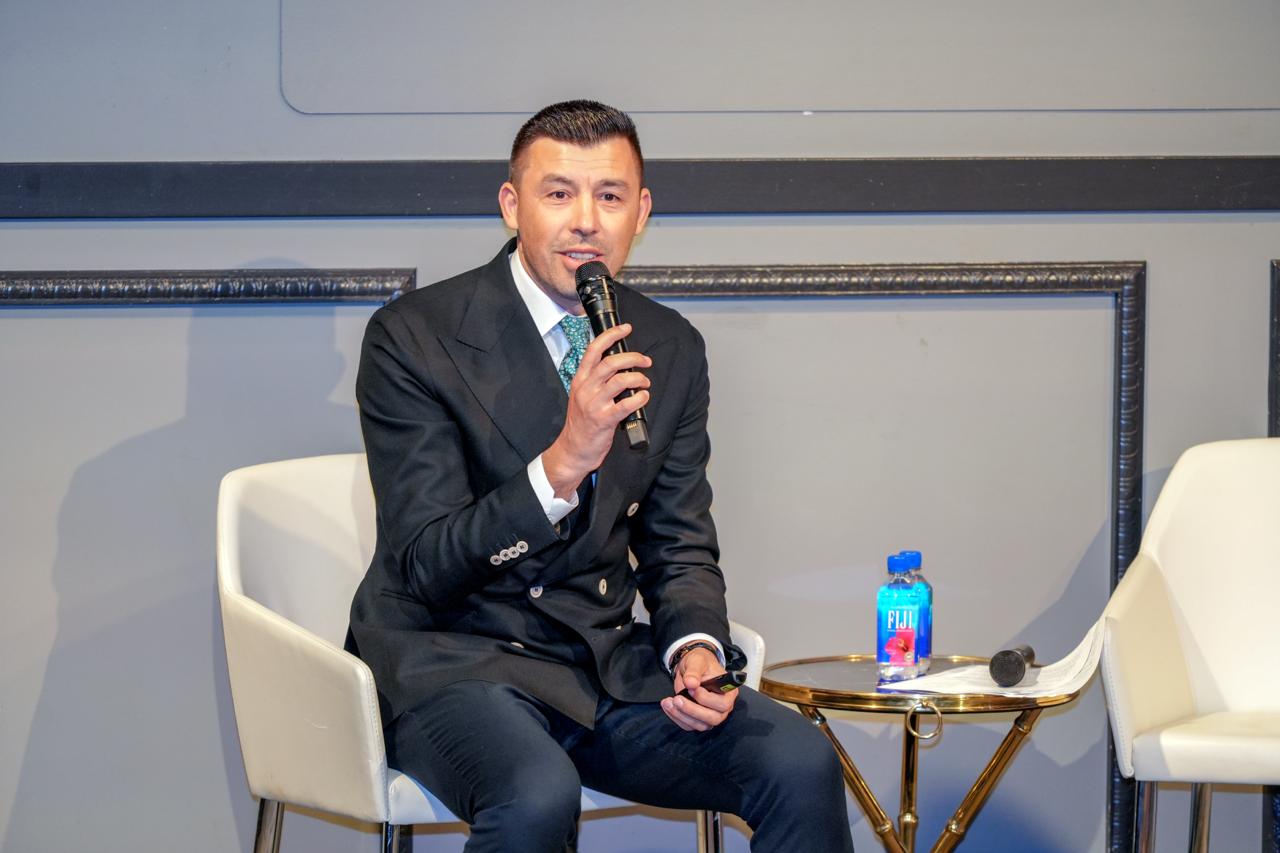
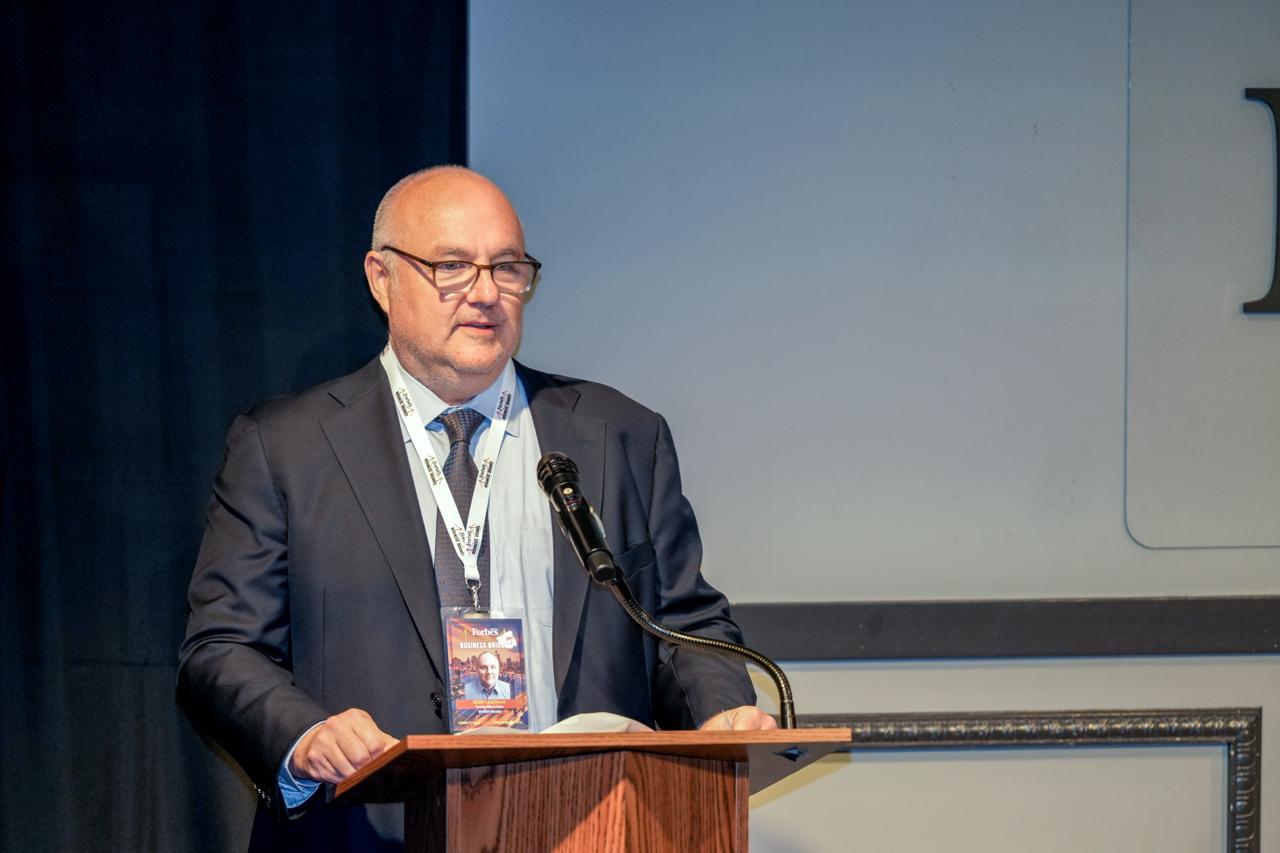
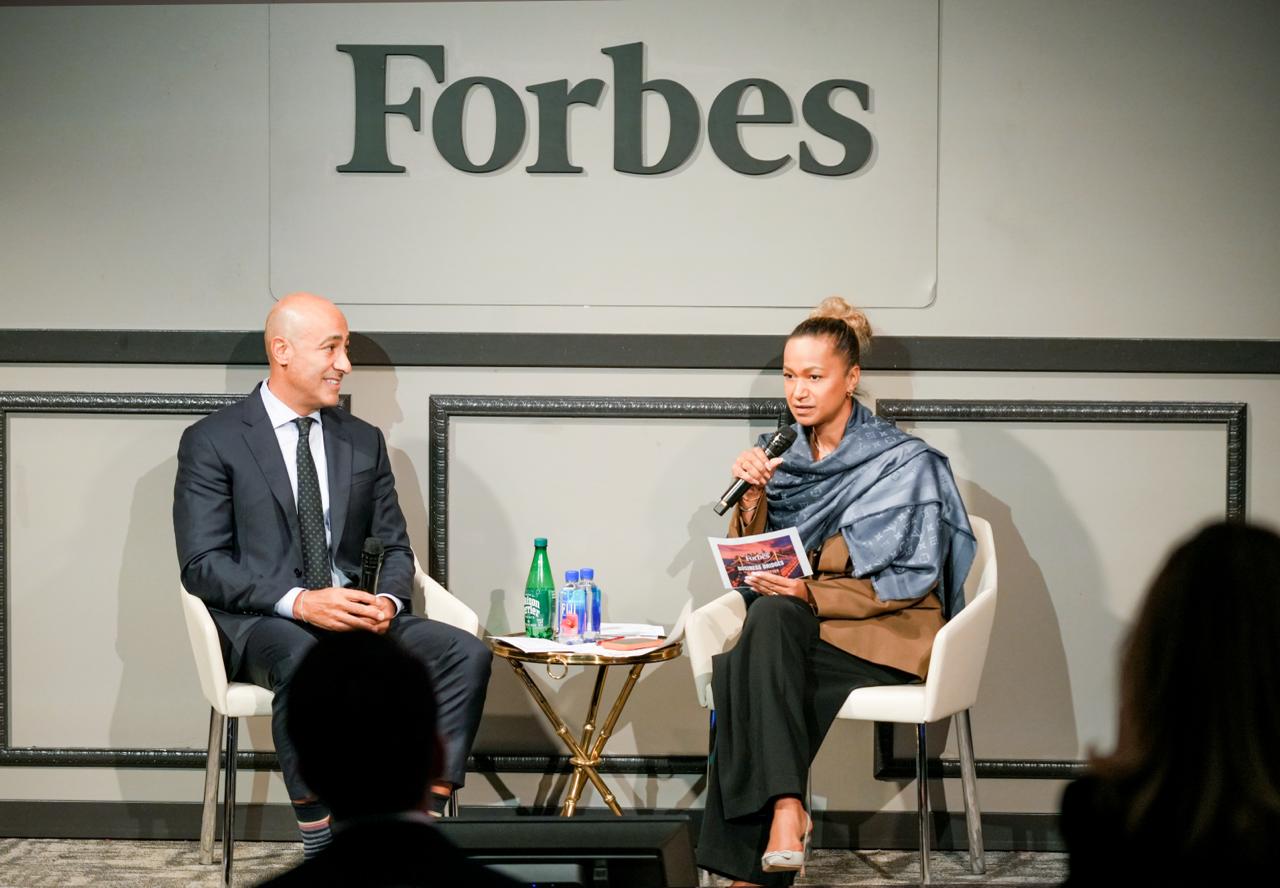
The two markets were set side by side by Beatrice Dumitrașcu, CEO Residential Division at One United Properties, and Craig Nassi, CEO of BCN Development, at Forbes România Business Bridges 2026, the event organized by Forbes Romania at Forbes on Fifth in New York. “If you come to Bucharest or to other major cities in the country, like Constanța or Iași, you will see that there is a huge opportunity to become an investor or a developer, because today in Romania there is a shortage of at least 200,000 residential units. We are launching projects that sell very fast, and investors keep coming back again and again,” Beatrice Dumitrașcu said.
“Our real estate market is very young. We don’t have a real rental market, because we are coming from communism, and 94.3% of Romanians are owners. It’s an ownership culture. This means there is a lot of room to grow,” she explained. At One United Properties, prices rose by 24% year on year, according to the June measurement. Buyers, however, have changed. “If ten years ago they were buying whatever they found on the market, now they think about costs, they want to know if there is energy efficiency and if the buildings are well built. Sustainability has become a standard in Romania as well,” Dumitrașcu said. On top of that, clients want complete neighborhoods, with retail, schools, kindergartens, parks and lakes, often built on former communist-era industrial sites. One United is preparing such a project on 21 hectares in Bucharest, and more than 4,000 families have already moved into its buildings.
Craig Nassi described a market where the ground rule is different: developers go where the authorities let them. “The smartest developers are developing in areas that are friendly to development. California is not a friendly place to do business for development, and New York City is becoming that way in many ways. You have to follow the governments and the local municipalities that are friendly and open to development in all aspects, whether it’s tax abatement, the permit process, the approval process or the time involved, because time kills deals,” the CEO of BCN Development said. A New York developer all his life, Nassi has shifted towards Florida over the past three years, where he is building in West Palm Beach, mostly workforce housing. “That’s a big empty void there. I’d say it’s a very good investment to follow the markets that are doing luxury and see what opportunities there are for workforce housing as well,” he explained. Texas, in his view, is another market open to investors.
New York nevertheless remains attractive in the luxury segment, where supply is extremely tight. Nassi spoke of friends who have been searching for months for a three-bedroom apartment renting for $30,000-35,000 a month, without success. For Romanian investors, he recommended condominiums over co-ops, which dominate the best addresses in Manhattan. “If you’re Romanian and you want to buy, a lot of those buildings wouldn’t even allow it, because you’re out of the country and you’re not taking full residency,” he explained.
One United has already taken its first step across the Atlantic, with a project of 42 townhouses and a clubhouse in Franklin, Tennessee. “We want to take baby steps. We need to have our first development here so we can learn this market, because each market has its own particularities. You have to be prepared to understand it and to partner with the right people in that area,” Dumitrașcu said.
“Finance is everything. Right now we see a little bit of a slowdown here in the city, because we have a very big election coming up and everything’s kind of stagnant. Everyone’s waiting for rates to change. It’s very difficult right now to finance and close a loan, unless you just want to pay a higher rate,” Nassi said.
Dumitrașcu closed with One United’s vision for the Romanian market: affordable homes with no compromise on quality, and communities built around them. “Residential is not only a product anymore, it is a service. If we think about that and we create real communities, we are going to have success, no matter if we are here or in any other part of the world,” Beatrice Dumitrașcu said.