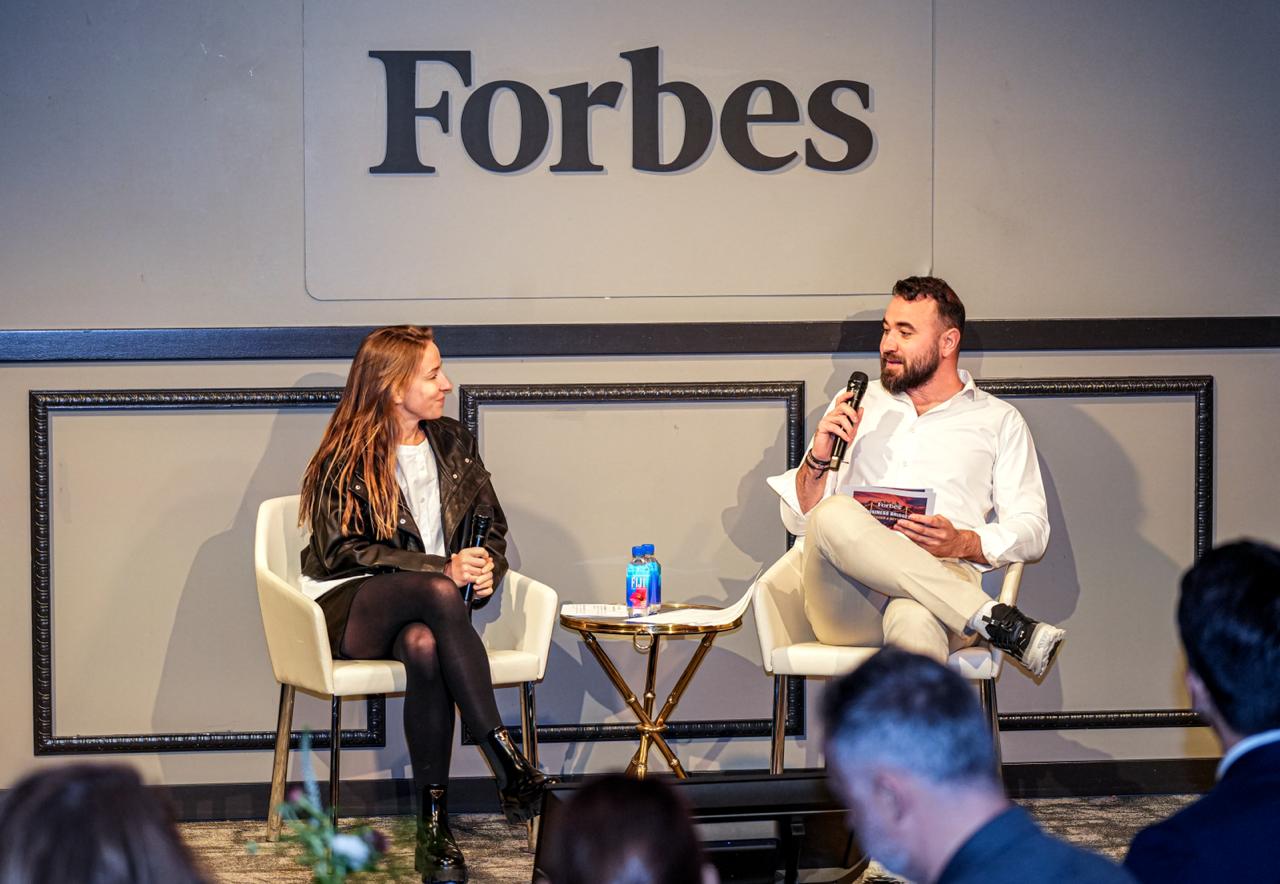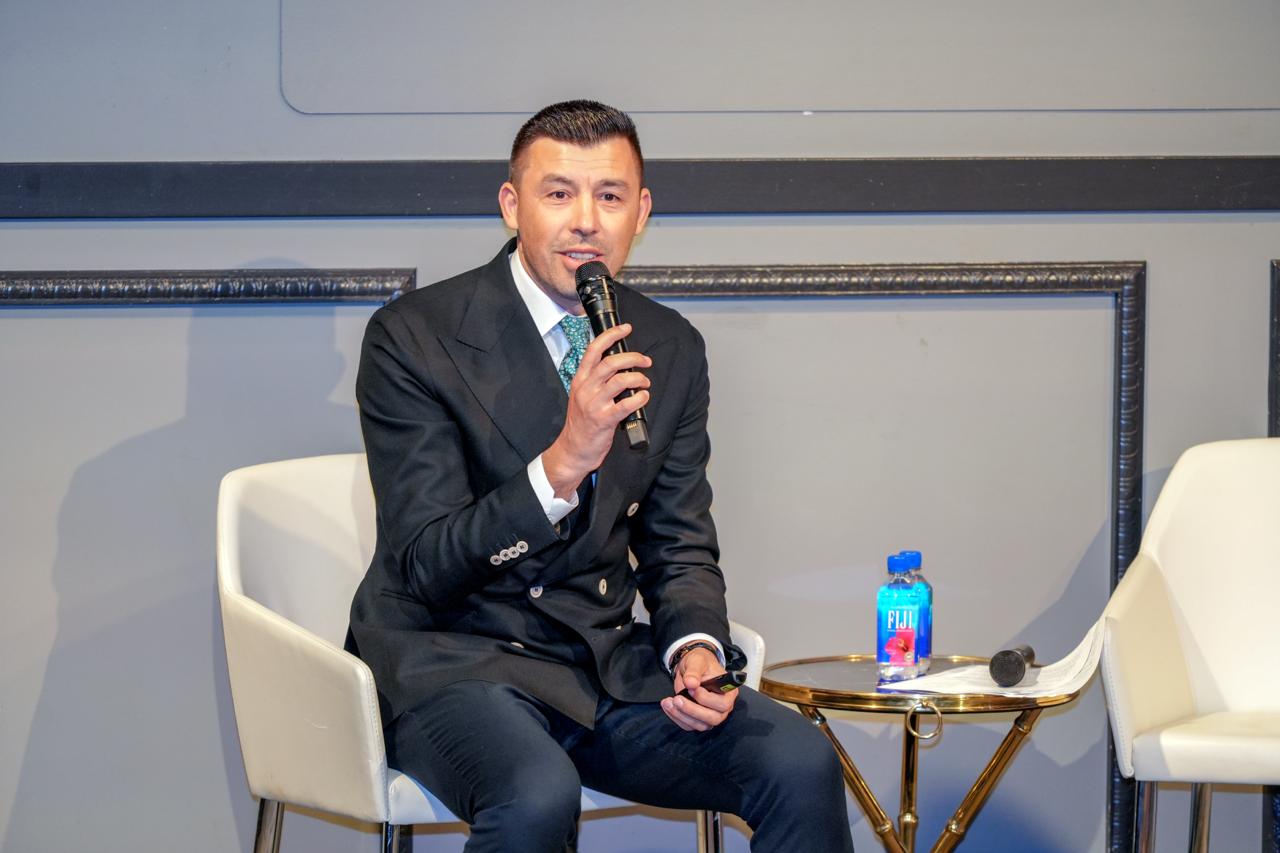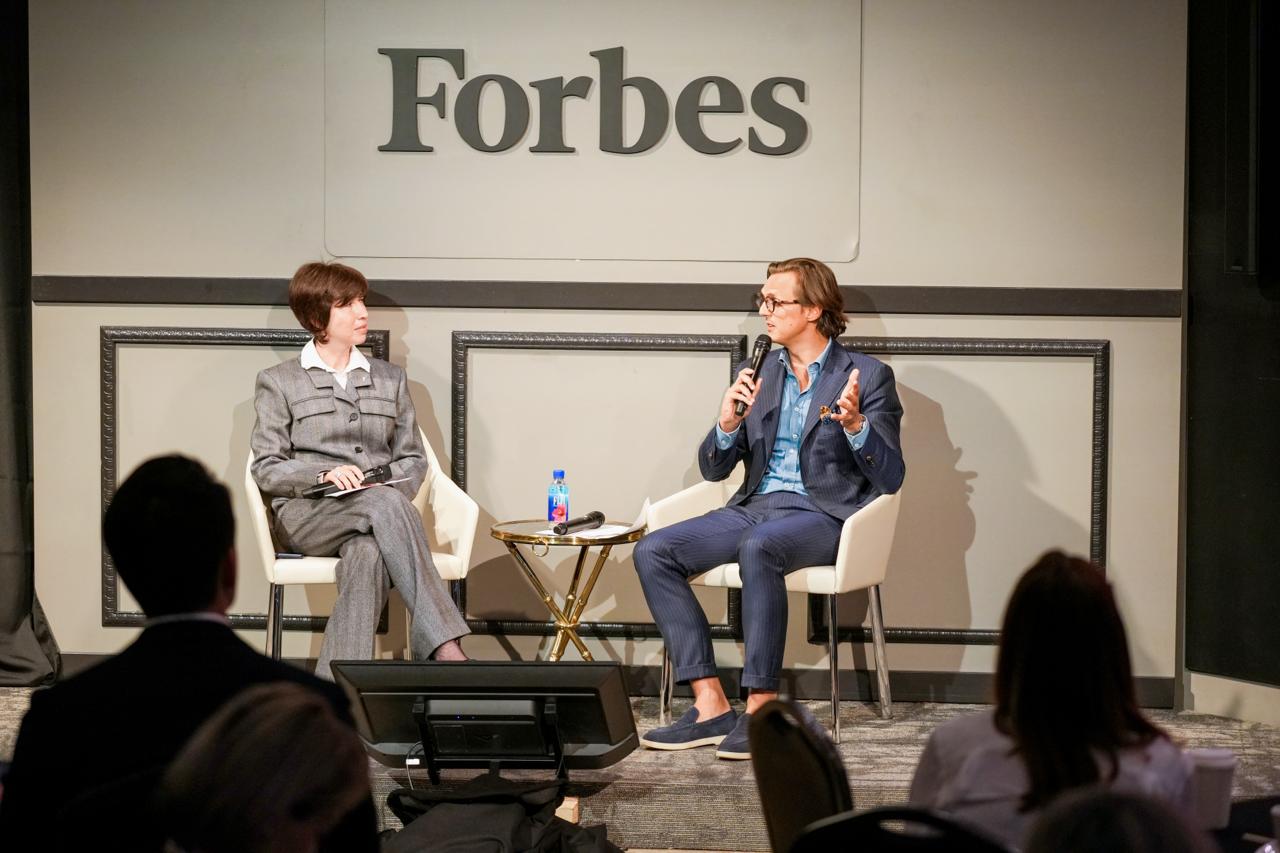
Breitling will open its first social club in June 2027, in Williamsburg, New York, with a restaurant, gym, bars, terraces and workspaces for members. The move shows where the luxury industry is heading: beyond the product, towards the experience. The announcement was made by Antoine Loron, President of Breitling USA & Canada, at Forbes Business Bridges 2026, the event organized by Forbes Romania at Forbes on Fifth in New York.
“We are going beyond retail and we are now opening social clubs. The first one will be in June 2027, in Williamsburg. We are talking about restaurants, gyms, bars, terraces, workspaces, where all club members will be able to live the full Breitling experience. It is a very exciting direction, which is not only about selling goods, but also about experiences in hospitality,” Antoine Loron said. “It’s quite a difficult market right now. Even in the US, the luxury market is growing, but not at the pace we saw between 2021 and 2024. Luxury goods, watches, jewelry, clothes and bags, are facing very strong competition from experiential luxury: travel, restaurants, concerts, games or Formula 1,” Loron explained.
Breitling’s response runs through partnerships such as those with Aston Martin and the NFL, which allow the brand to invite its clients to the paddock or to the Super Bowl. The focus is on top clients, who carry increasing weight in the business. “Today, around 40% of our clientele comes from VIP and recurring clients, which is in line with the luxury market in general. It’s not about tickets, it’s about a unique, unforgettable experience that money cannot buy,” he said.
The brand’s transformation in recent years bears the signature of Georges Kern, Breitling’s CEO since 2017. “Breitling was very focused on aviation, and now it is truly a generalist brand. Since he came, we have built 300 boutiques around the world, when we had only two,” Loron recalled.
On artificial intelligence, Breitling’s North America president says “it’s all about emotion. The dream comes with emotions, and emotions come only from human relationships. We cannot replace our people in the stores with AI. It’s impossible, because people want emotion and craftsmanship through luxury.” The example he gave was Gucci’s recent AI-generated campaign, which sparked a strong backlash. “If luxury starts to do what anyone can do, you lose the human side and the craftsmanship. Luxury is based on excellence, and if you lose that, there is no luxury anymore, and your prices are no longer aligned with the reality and the perception of your brand,” Loron explained.
Over the next five years, he sees a generational shift. Young people discover luxury through social media, even if they cannot yet afford it, and they pay more attention to sustainability and social responsibility. Breitling has been using traceable gold since 2018, and the women’s segment has become an important source of growth. “Ten years ago, we were selling just 2% of our watches to women. Now we are close to 20% in the US, thanks to products and designs that suit them better, but also thanks to communication,” Loron noted.
His main concern is the US economy. “We have a K-shaped economy, with top earners making huge amounts of money thanks to the stock market. They are excellent clients for us. But a large part of the luxury business comes from aspirational consumers, who buy a luxury product maybe every two or three years to reward themselves for a wedding or a career milestone. With inflation at its current level, it is becoming harder and harder for them to afford luxury,” he explained.
The answer cannot be lower prices. “We cannot decrease our prices in luxury, it’s impossible, because it destroys your image. What you can do is offer products specially fitted for them. What matters is the hook: selling good products at a fair price. Then you can build a strong relationship and loyalty, thanks to the emotion you deliver through your product and your service,” Antoine Loron concluded.