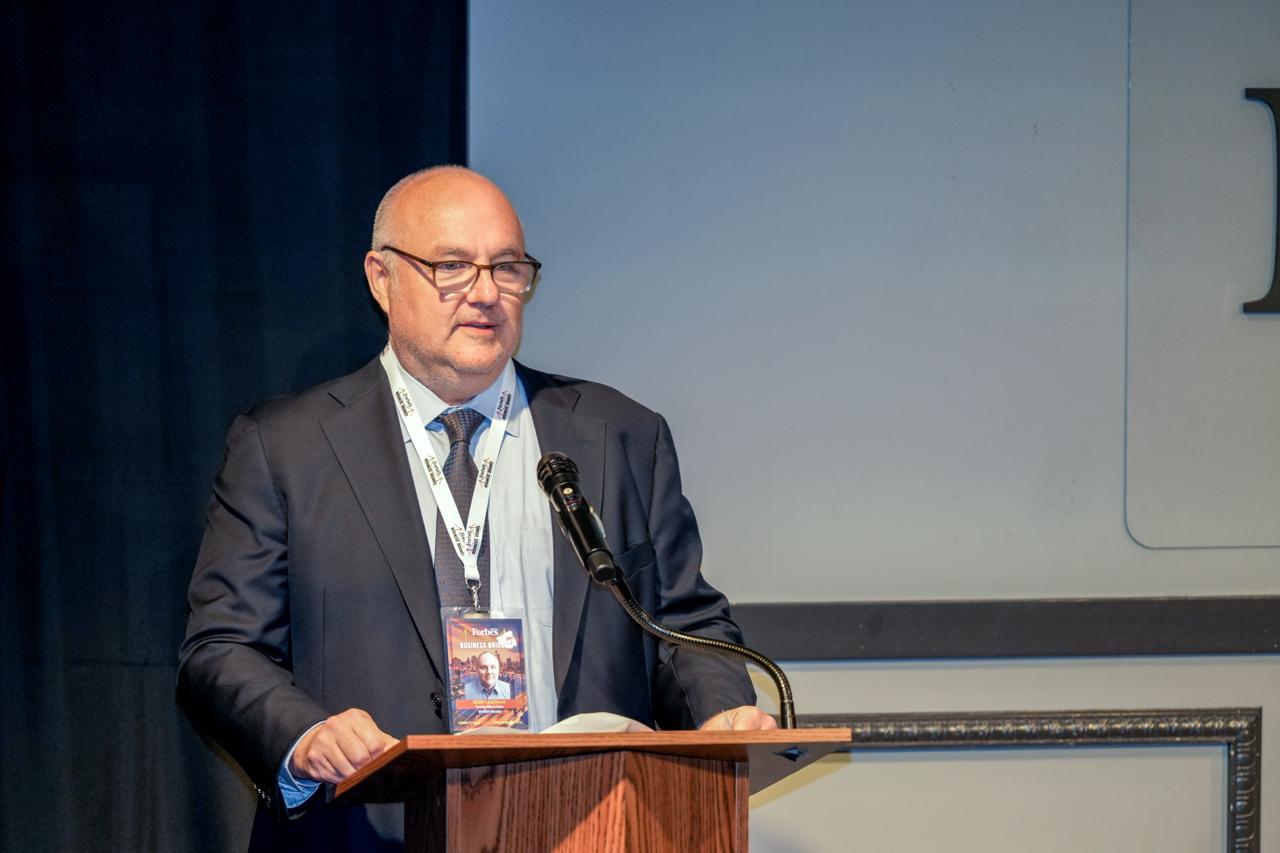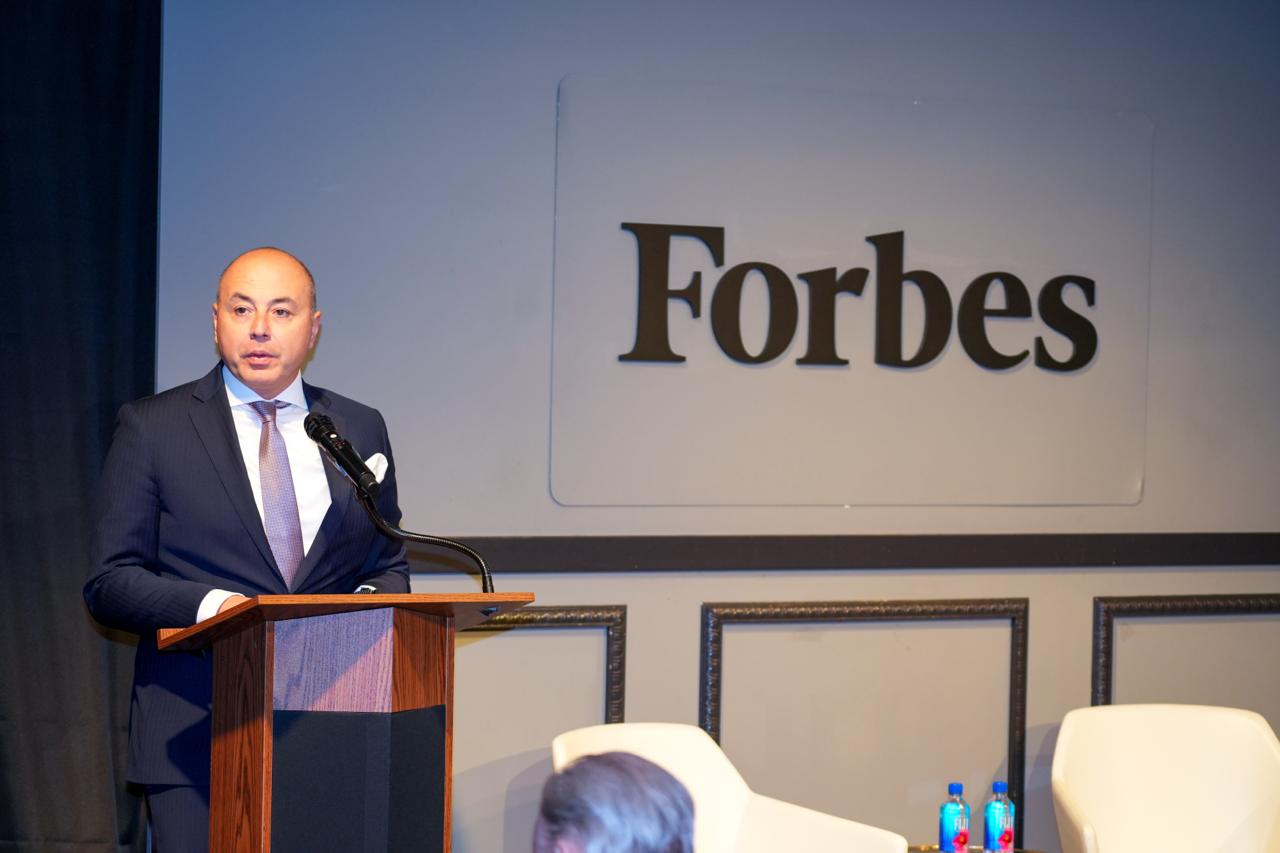
The Embassy of Romania in Washington is opening up to Romanian companies the network of contacts it has built across all 50 US states, from governors and local authorities to chambers of commerce and investors. The offer was made by Ambassador Dan-Andrei Muraru at the opening of Forbes România Business Bridges 2026, the event organized by Forbes Romania at Forbes on Fifth in New York.
“This is our offer to you. Please use us. Come to us. We can share with you everything we have, from contacts to the experience we have gained in the past years,” the ambassador told the business leaders in the room.
At stake is an imbalance the diplomat named directly. The United States is Romania’s fourth-largest foreign investor and its largest from outside the European Union, with a stock of direct investment of more than 9 billion, roughly 7% of Romania’s total foreign direct investment. In the opposite direction, the presence of Romanian companies across the Atlantic remains modest. “The investment footprint of Romanian companies in the United States remains below its potential. We should therefore aim to see more Romanian companies become not only exporters, but investors, employers and long-term business partners here in the States,” Muraru said.
The trade relationship is not starting from zero. “In 2025, our trade reached approximately 9.4 billion, with exports of goods and services of 6.4 billion, including more than 4 billion in services, 60% of which came from the IT&C sector,” the ambassador noted.
The problem, in his view, is that many Romanian entrepreneurs treat America as a single market. “The United States is a market of 50 states, each with its own regulatory framework, tax provisions, incentives and business environment. What works in New York may not necessarily work in Texas, Florida, Ohio, Virginia or Arizona,” Muraru explained.
This observation gave rise to “50 States, One Community,” the initiative through which the ambassador set out to visit every US state. Its stated goal is a structured dialogue with local business communities, giving Romanian companies more than general market information. “Companies need access to legal, financial, tax, investment and local market expertise, as well as the right connections. This is where the Romanian Embassy and its economic diplomacy network can make a practical contribution,” the diplomat stressed.
The sectors where he sees the greatest opportunities are energy, artificial intelligence, cybersecurity, advanced manufacturing, defense, critical minerals, infrastructure and logistics. The equation he proposes is one of complementarity: Romania brings industrial capabilities, a skilled workforce, strategic resources and access to the European market, while the United States offers capital, technology, industrial expertise and access to global markets.
The long-term goal is for the Romanian-American relationship to move beyond trade and individual projects towards a strategic business partnership. The state’s role has clear limits, however, the ambassador acknowledged: governments create the framework, diplomacy opens doors, but it is entrepreneurs who turn opportunities into businesses.
“My message to Romanian companies is simple: the American market is open to opportunity, but entering it successfully requires preparation, local knowledge, the right partners and a long-term commitment. The Romanian Embassy is here, ready to support companies willing to take that step,” Dan-Andrei Muraru concluded.